Veterinary Radiology
Aaron Animal Clinic provides veterinary radiology in Parma, Ohio, for dogs, cats, and exotics using advanced pet imaging and X-rays. Our team uses radiology to diagnose injuries, detect bladder stones, and evaluate internal conditions, helping guide accurate and timely treatment decisions for your pet.
How Pet Radiology Supports Diagnosis
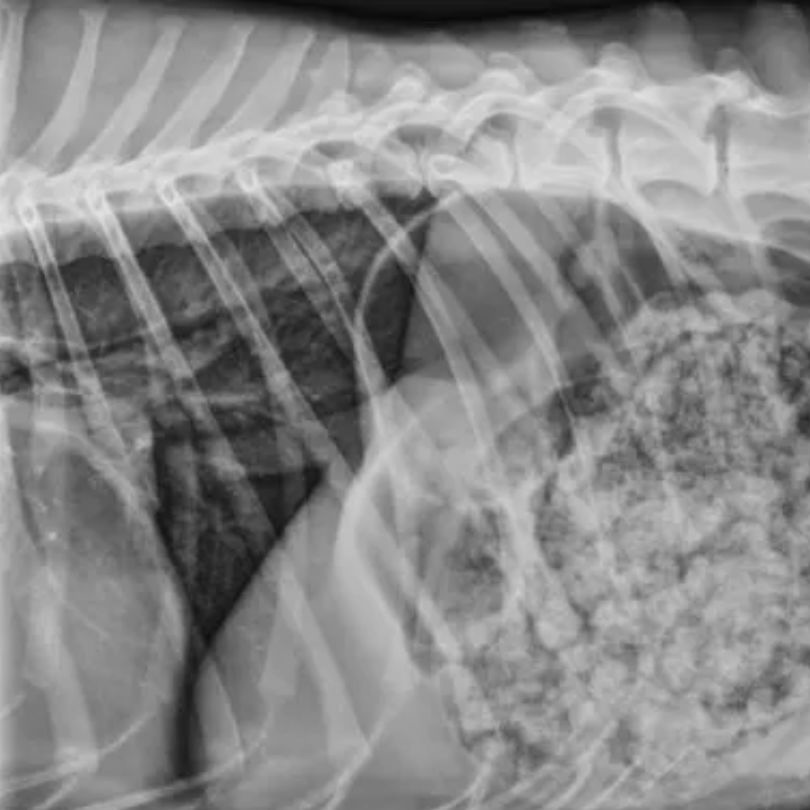
Veterinary radiology is one of the most effective ways to evaluate your pet’s internal health. At Aaron Animal Clinic, pet X-rays help us identify issues such as bladder stones, injuries, and structural abnormalities. Radiology allows us to quickly gather important diagnostic information and determine the next steps in your pet’s care.
Benefits of Pet Imaging & X-Rays
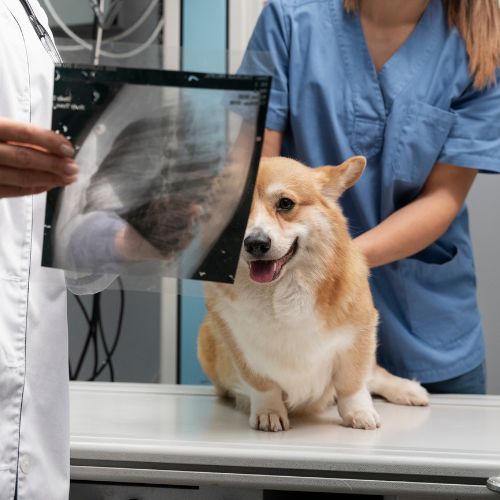
Radiology provides fast, reliable insight into your pet’s condition, helping us move forward with confident and informed treatment plans.
What to Expect During Radiology Exams
At Aaron Animal Clinic, radiology exams are designed to be quick and minimally stressful for your pet. Our team uses imaging to gather essential diagnostic information and explain findings clearly.
Imaging Process
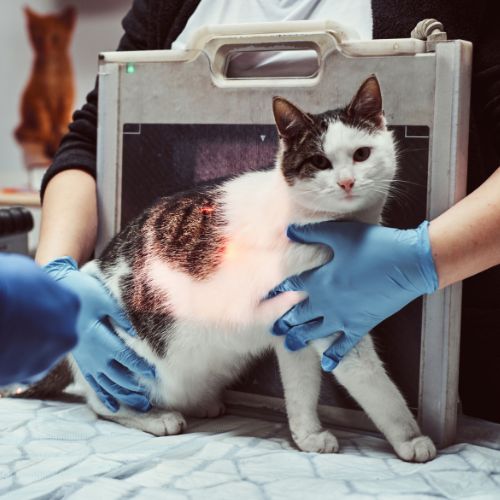
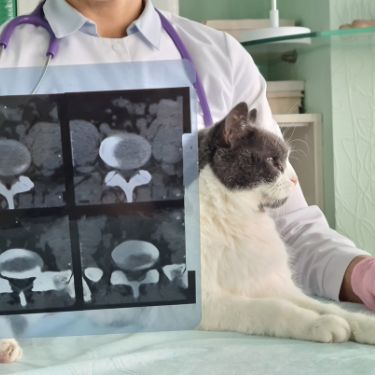
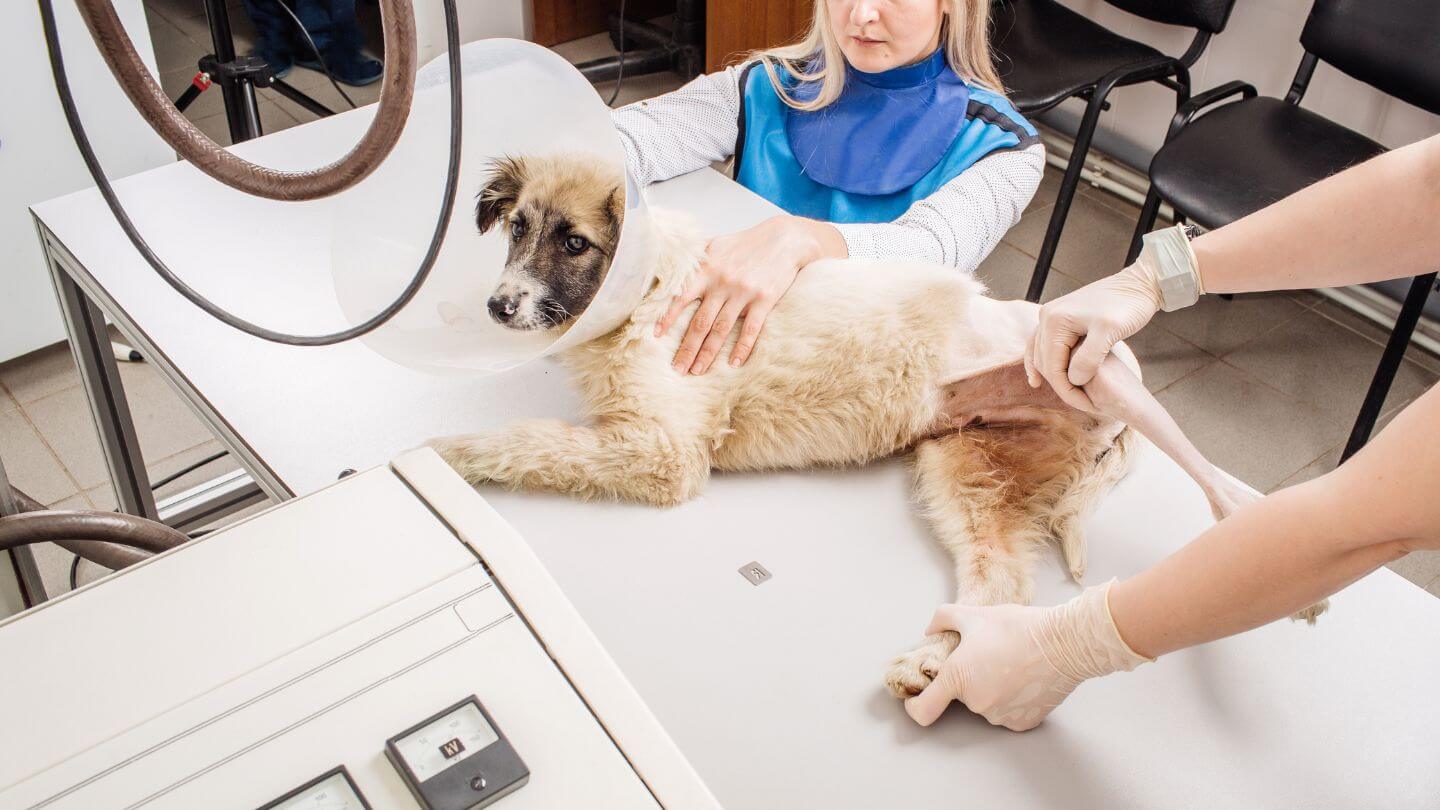
During pet X-rays, your pet is positioned carefully to capture clear images of the area being evaluated, helping us assess bones, organs, and potential abnormalities.
Advanced Techniques
Some conditions, such as radiolucent stones, may require contrast imaging with air or dye to improve visibility and ensure an accurate diagnosis.
Veterinary Radiology FAQs
Veterinary radiology and pet imaging provide valuable insight into your pet’s health. Here are answers to common questions about pet X-rays at Aaron Animal Clinic in Parma.
What is veterinary radiology used for?
Veterinary radiology uses pet X-rays to evaluate bones, organs, and internal structures. At Aaron Animal Clinic in Parma, radiology helps diagnose conditions such as fractures, bladder stones, and other internal abnormalities.
Are pet X-rays safe?
Yes, pet X-rays are considered safe when performed by trained professionals. At Aaron Animal Clinic, we use appropriate techniques to minimize exposure while obtaining accurate diagnostic images.
What types of stones can be seen on X-rays?
Many bladder stones, such as struvite and calcium oxalate, are radiopaque and show clearly on X-rays. Others, like ammonium urate stones, may not appear and require additional imaging techniques for detection.
When would my pet need radiology?
Radiology may be recommended if your pet has an injury, difficulty moving, urinary symptoms, or unexplained health concerns. It helps us quickly identify the cause and determine the next steps in care.
Will my pet need sedation for X-rays?
Most pets can undergo X-rays without sedation, but in some cases, mild sedation may be recommended to ensure accurate positioning and reduce stress during the procedure.